Pollen season in NZ runs from early spring through summer, with trees first and grasses and weeds from late spring. In Christchurch that yellow film lands on cladding, window frames and sills. Rinse it gently while the season runs, then book a full soft wash once the worst has passed, so the house stays clean.
Most of what you’ll read about pollen season is about hay fever. This guide is about the outside of the house. It covers what pollen does to it, when it is worst in Christchurch, and how to get it off without causing damage.
When is pollen season in NZ, and when does it hit Christchurch?
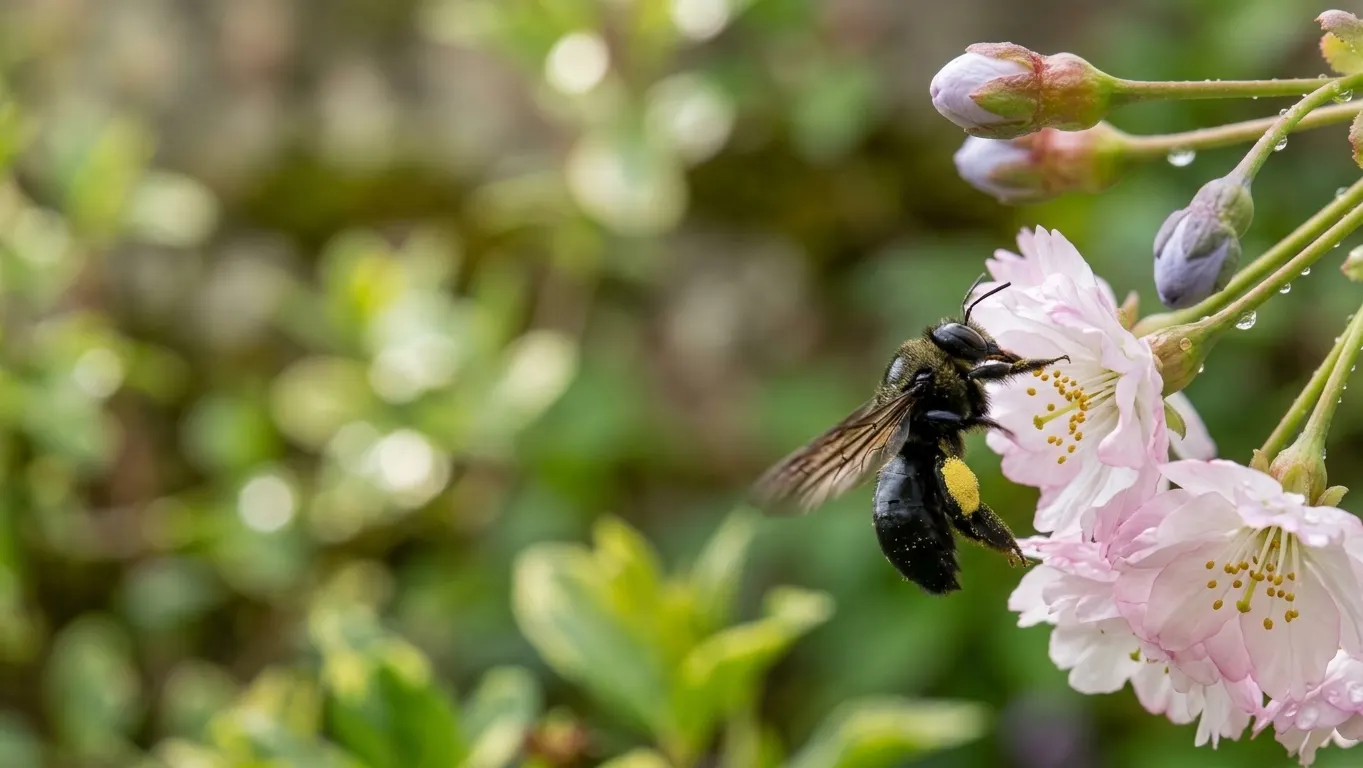
Pollen season starts with trees in early spring, then grasses and weeds take over from late spring into summer. The Cardiac and Respiratory Foundation puts tree pollen in early spring and grass and weed pollen in late spring and summer, with the weed season running to the end of summer.
You can check the current pollen count for Christchurch on MetService’s airborne allergen forecast. On 20 October 2026 it rated early grasses as high in Christchurch Central, with late grasses and chenopods due to start within two weeks.
The same forecast listed oak, birch, elm, poplar, wattle and native beech among the pollens in the air at moderate levels. That mix is why October and November are when most people notice yellow dust on cars, decks and window sills.
What does pollen do to the outside of a house?
Pollen settles as a fine yellow or green film on cladding, window frames, sills and outdoor furniture. Wind clears the open walls, but pollen builds up in the sheltered spots under eaves, along sills and in corners out of the weather.
On its own the film is mostly a cosmetic problem. It dulls paintwork and glass, and it shows up badly on light coloured weatherboard and render.
The bigger issue is timing. A house that already carries grime, mould or algae from winter looks worse with pollen on top. Spring is also when most people start to notice the outside of their house again.
How do you remove pollen from a house yourself?
Rinse pollen off with a garden hose on a gentle setting, working from the top down, and wipe sills and frames with a soft brush or cloth. Skip the water blaster on weatherboard and render, because high pressure can force water behind cladding and strip paint.
Here is a simple routine for a single-storey house.
- Close the windows and doors first, so the rinse doesn’t blow pollen inside.
- Hose the cladding from the top down, so loosened pollen runs off rather than onto clean areas.
- Wipe window sills and frames with a soft brush or damp cloth. Pollen sticks hardest here.
- Rinse the glass last, after the frames, so it doesn’t get streaked again.
- Hose down outdoor furniture and the deck at the same time.
This shifts the loose pollen. It won’t lift the grime, mould and algae underneath, and a second storey is a job for the right ladders and safety gear.
If you have hay fever, Healthify recommends keeping windows and doors closed when you can and not drying washing outside, since clothes collect pollen. Pick a calm day to do the rinse.
When should you book a house wash in pollen season?
Book a full house wash once the worst of the pollen season has passed, so the clean finish isn’t coated again a fortnight later. Between now and then, a gentle hose rinse keeps the build-up down.
Plenty of Christchurch homeowners book from spring onwards. Some wash before selling the house, some before Christmas when relatives are coming, and some in autumn once the pollen season is over.
The table below sets out what is in the air through a typical Christchurch season, and what to do about the outside of the house each step of the way. The pollen timings follow the Cardiac and Respiratory Foundation’s seasons, and MetService’s forecast shows where each week sits.
| When | What is in the air | What to do outside |
|---|---|---|
| Early spring (September) | Tree pollen: wattle, birch, oak, poplar | Rinse sills and frames as the yellow film appears |
| Late spring (October and November) | Tree pollen easing, grasses rising | Expect the heaviest build-up, and hose rinse on calm days |
| Summer (December to February) | Grasses and weeds | Keep rinsing. Check the forecast before a big outdoor event |
| End of summer | Weed pollen finishing | Book the full soft wash so it lasts |
Should you soft wash or water blast pollen off a house?
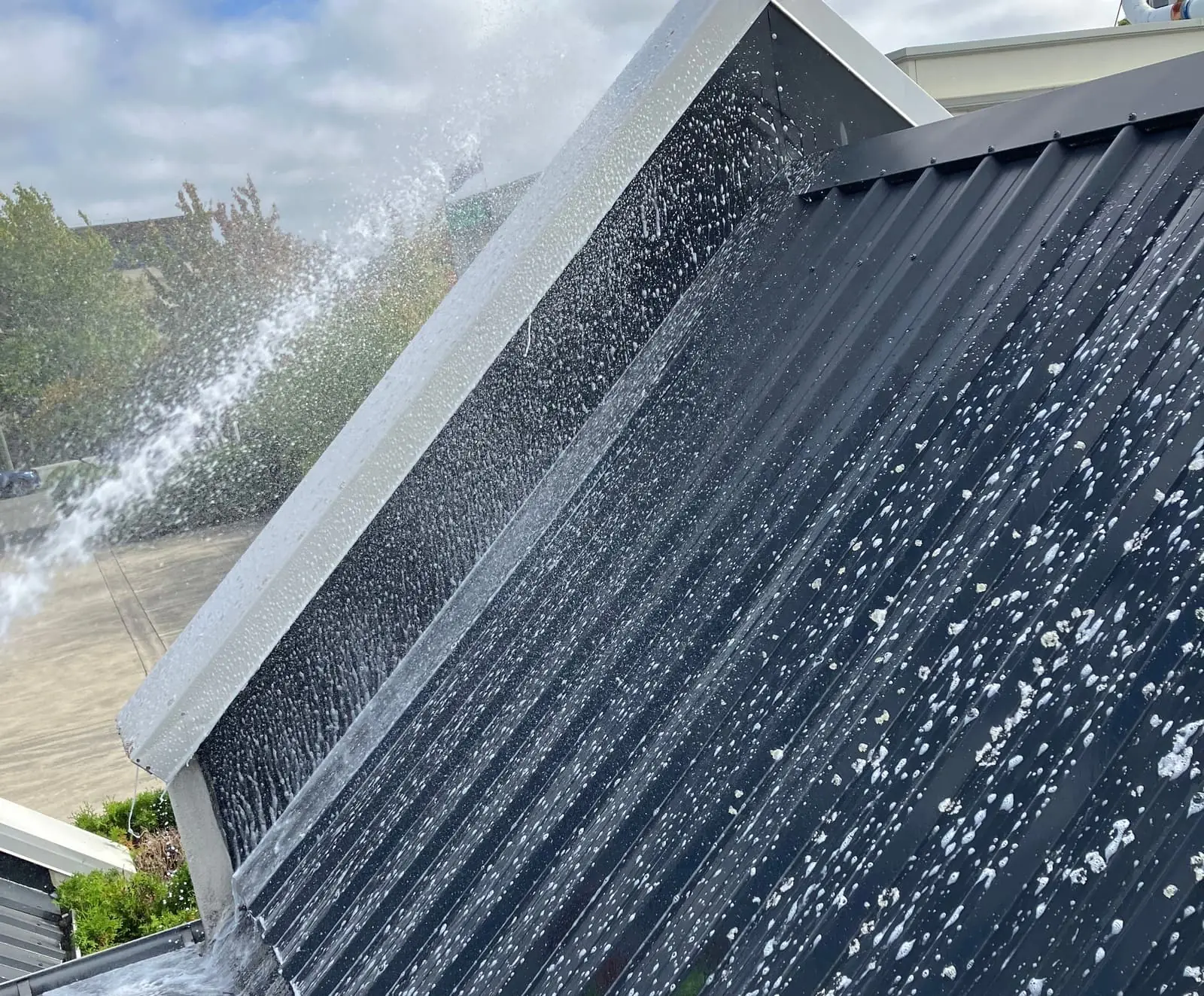
Soft wash a house exterior. Water blasting relies on pressure alone, which can push water under flashings and weatherboard laps, crack old paint and etch soft surfaces like render.
A soft wash does the work with a wash solution first, then rinses it away gently. That lifts pollen and the grime, mould and algae underneath, so the result lasts longer than a hose rinse.
Mobi-Vac’s house washing in Christchurch uses a soft wash system on weatherboard, brick, render and plaster. Spring pollen is washed off cladding, frames and sills, and ground floor windows and frames are rinsed as part of the wash.
Roofs are a separate job. Moss and lichen are treated under roof moss and lichen cleaning, and gutters are booked as gutter and spouting cleaning.
How often should you wash your house in Christchurch?
Once a year suits most Christchurch homes, and after pollen season is a good time for it. Walls on the shaded side of the house, where green algae grows fastest, may need attention sooner.
A yearly wash also stops mould and algae getting a footing under the eaves, where they tend to start first. Between washes, a hose rinse after the spring pollen peak keeps the house looking clean.
What to do this week
Check the pollen count for Christchurch before you rinse, and pick a calm day. If the house needs more than a hose can do, or it’s two storeys, get a free house washing quote from Mobi-Vac and we’ll confirm the price before we start.
Frequently asked questions
What months are the worst for pollen in New Zealand?
Late spring and early summer are usually the worst, roughly October to December. Tree pollen starts in early spring, and grasses and weeds take over from late spring into summer. Grass pollen causes the most hay fever. Timing shifts a little each year and by region, so check MetService’s airborne allergen forecast for your town.
How do I get pollen off my windows?
Wipe the frames and sills first with a soft brush or damp cloth, then rinse the glass with a hose on a gentle setting. Doing the frames first stops pollen running back onto clean glass. For upstairs windows, use proper ladders and safety gear, or have the windows done as part of a house wash.
Can I water blast pollen off my house?
It isn’t recommended on weatherboard, render or painted surfaces. High pressure can force water behind cladding, crack old paint and etch render. A garden hose on a gentle setting shifts loose pollen. A soft wash lifts pollen along with the grime and mould underneath, without the pressure.
Will rain wash pollen off the house?
Rain moves some of it, but not the build-up in sheltered spots. Pollen collects under eaves, along window sills and in corners out of the weather, where rain doesn’t reach. Those are the areas that need a rinse or a wash.
How much does a house wash cost in Christchurch?
Mobi-Vac’s house washing starts from $200 plus GST. Two-storey homes, render and heavily soiled properties are quoted individually, and travel is factored in for jobs outside Christchurch. The price is confirmed with you before any work starts.
Does a house wash include the roof?
No. A house wash covers the walls, meaning weatherboard, brick, render and plaster cladding, plus eaves, fascia and ground floor windows. Roofs are treated separately under roof moss and lichen cleaning, and gutters are a separate booking too.